Unveiling the roots of classism
Delve into the historical origins and evolution of classism. Understand how societal structures have perpetuated economic disparities, particularly impacting African Descent communities. Explore key events and policies that have shaped class divisions throughout history and even in the present day.

Classism before 1619 and the enslavement of Africans
Classism is known to precede 1619 and during this time Africans were enslaved on a mass scale,denied wages, their rights to property, education, and autonomy. Economies depended on African labor and the trade of Africans, this built a culture that depended on viewing Africans as less than human which made it become nearly impossible for Black families to build anything of their own during this period because of the colossal wealth gap between Black and white individuals, or families entirely. Even after emancipation emerged, and new systems were enforced to prevent Black communities from gaining any economic mobility, the formation of the Jim Crow Era, in the late 1870s to the mid 1960s, prevented Black Americans from the same opportunities as White Americans. At this time Black Americans were denied access to high-paying jobs, fair housing opportunity, quality schooling, and political power or suffrage. This was a system built to prevent black communities from gaining or keeping wealth. Black American oppression only grew further within this time period systematically with Federal Agencies creating Red Lining in the 1930s, or known as The Home Owner’s Loan Corporation (HOLC) a government agency created in 1933 created color-coded maps of American cities to instruct banks where to give loans. Neighborhoods were ranked from the”best,” (colored green) to give a loan to “Hazardous” (red) and Black neighborhoods were nearly always red with no regard to the residents' incomes. This prevented Black families from owning property which is the most common and reliable way for a family to build wealth.
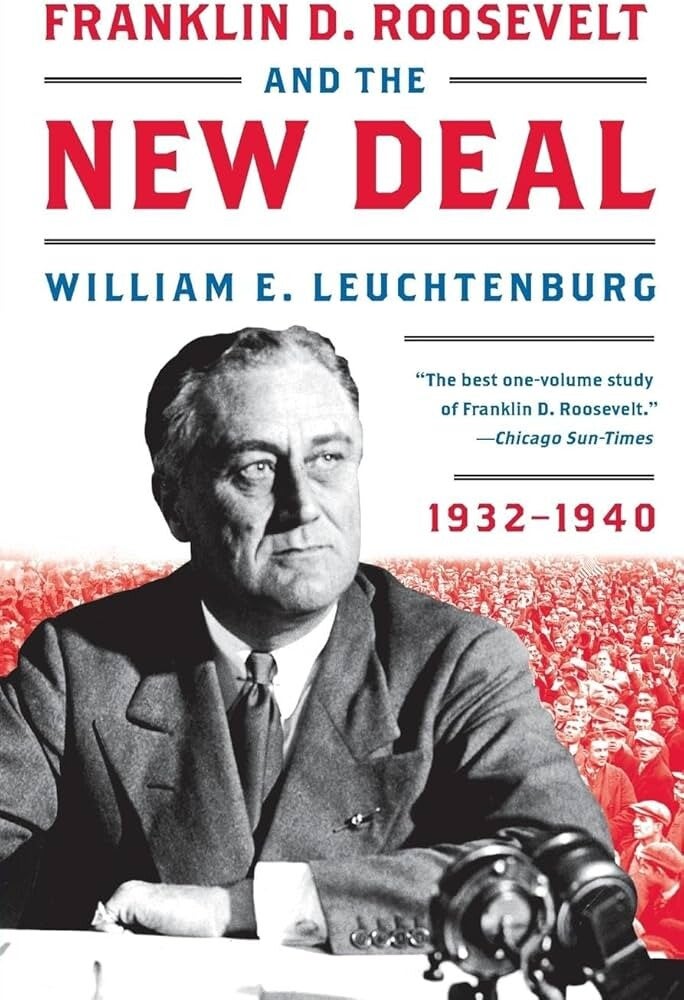
Key moment 1: the new deal & the exclusion of black and low-wage workers (1930s)
What happened: During the Great Depression, President Franklin D. Roosevelt created the New Deal to help Americans recover economically. Programs like Social Security, unemployment insurance, and minimum wage laws were major steps toward protecting workers. But there was a catch: To gain support from Southern politicians, the New Deal excluded domestic workers and farmworkers from many protections — jobs largely held by Black Americans, Mexican Americans, and low-income laborers.
Why it matters for classism: Millions of the lowest-paid workers were intentionally left out of wage protections. These workers could not access Social Security or union rights. It created a gap between workers who received economic support and those who were left vulnerable.
Why this is important for your website: It shows how classism was written into national policy and how race + class were intertwined. Low-income Black workers were blocked from building wealth at a time when others were gaining access to government support.
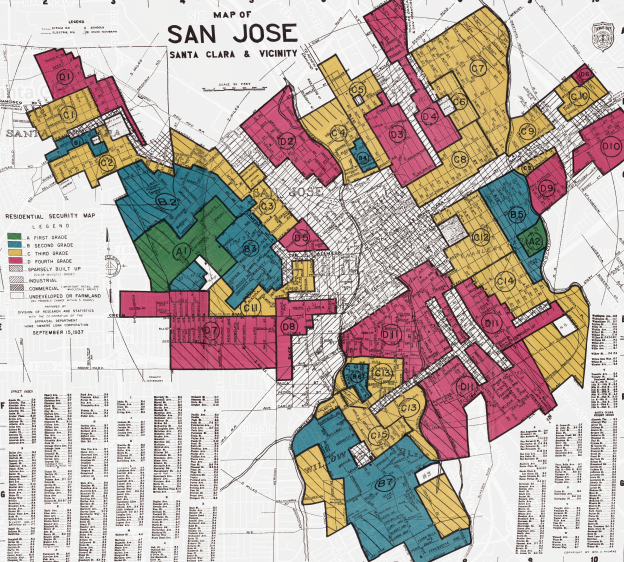
Key moment 2: redlining by the home owners’ loan corporation (holc) (1930s–1970s)
What happened: A federal agency called HOLC created color-coded maps marking Black, immigrant, and working-class neighborhoods as “hazardous.” Banks then refused to give mortgages or loans to anyone living in those areas — regardless of their income.
Why it matters for classism: Homeownership is the #1 way families build wealth in America. Redlining denied low-income and Black families access to investment and generational wealth. Meanwhile, wealthier (mostly white) neighborhoods grew in value and opportunity.
Why this is important: Redlining is one of the clearest examples of a government-backed system that made the rich richer and kept poor communities poor. Its effects are still visible today in school funding, neighborhood resources, and racial wealth gaps.
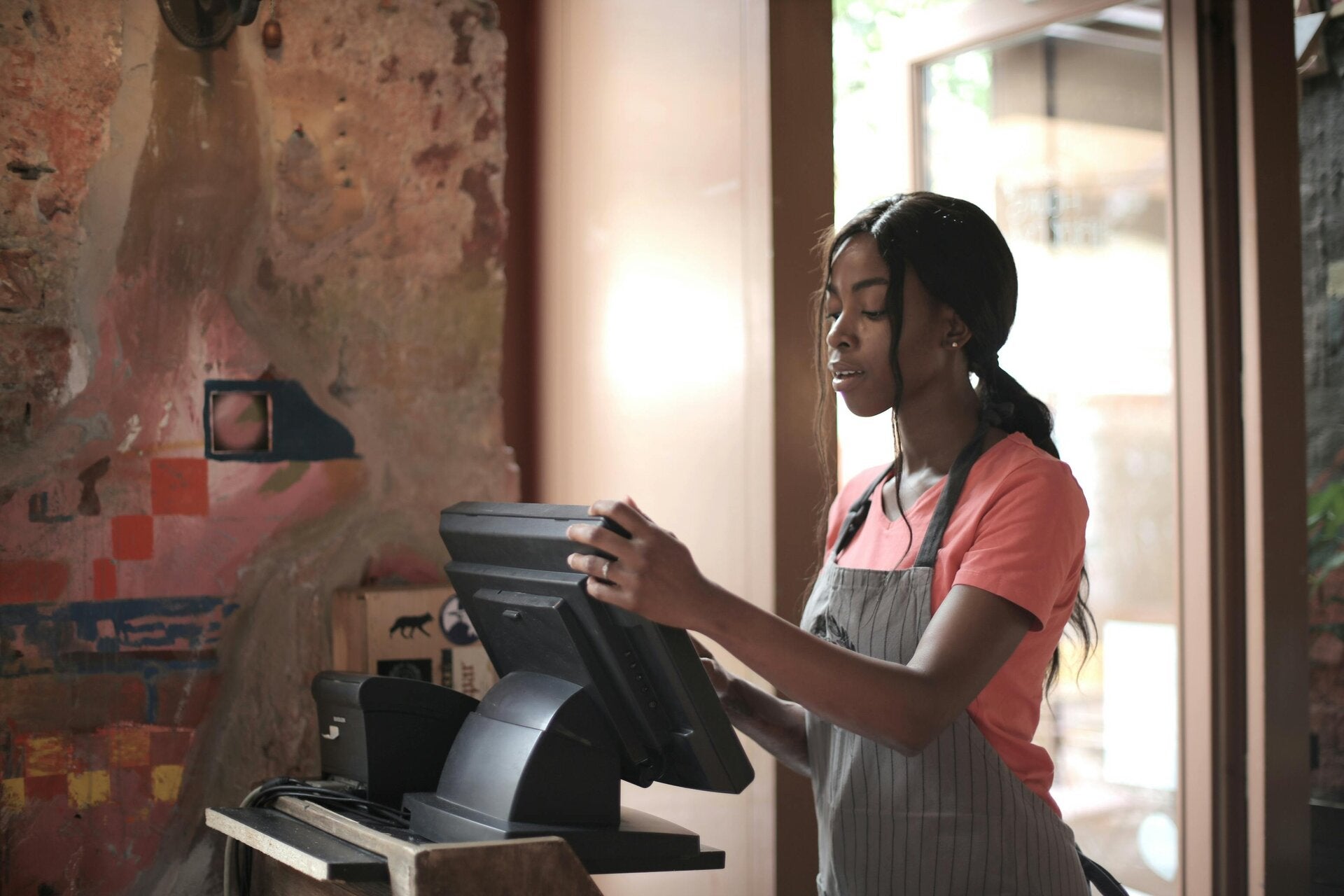
Key moment 3: the rise of low-wage “service economy” jobs (1980s–present)
What happened: As factories closed and manufacturing jobs left the U.S., millions of workers were pushed into low-wage service jobs — retail, fast food, warehouse labor, gig work, and hospitality.
At the same time: Unions weakened; Worker protections declined; Wages stopped growing with productivity; Living costs increased while pay stayed low.
Why it matters for classism: These jobs rarely provide benefits, stable schedules, or livable wages. Many of the workers in these sectors are women, immigrants, and Black and Latino workers. Wealth increasingly flowed upward to CEOs and shareholders rather than workers.
Why this is important: This shift created a modern class divide where working full-time doesn’t guarantee economic stability. It explains why poverty persists even when people are employed, and how class inequality continues to affect Black communities today.
A system of unequal opportunity
Ultimately, understanding the history of classism reveals a system that inherently favors the wealthy, granting them greater opportunities for economic mobility while simultaneously restricting opportunities for the poor, thus hindering their chances for upward mobility.
Create Your Own Website With Webador